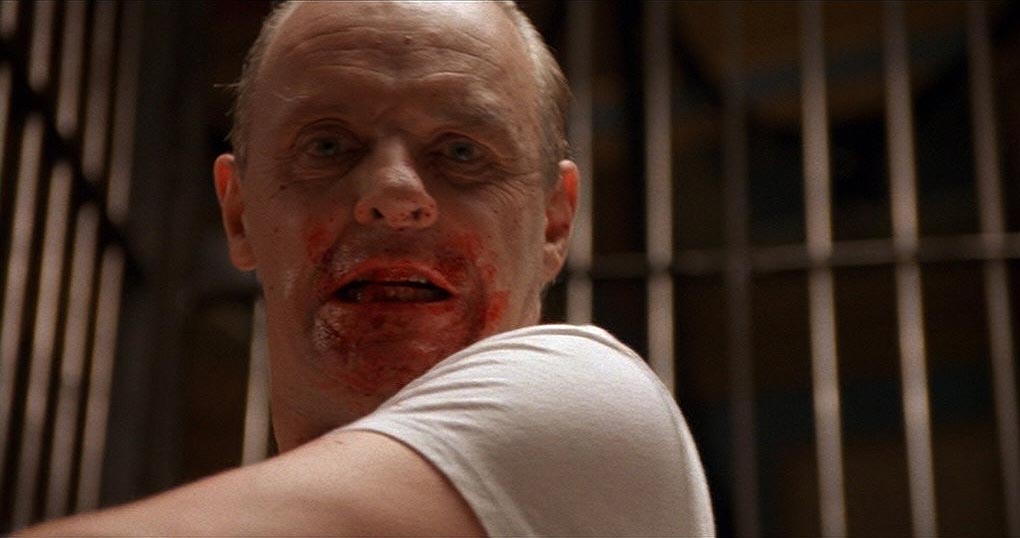
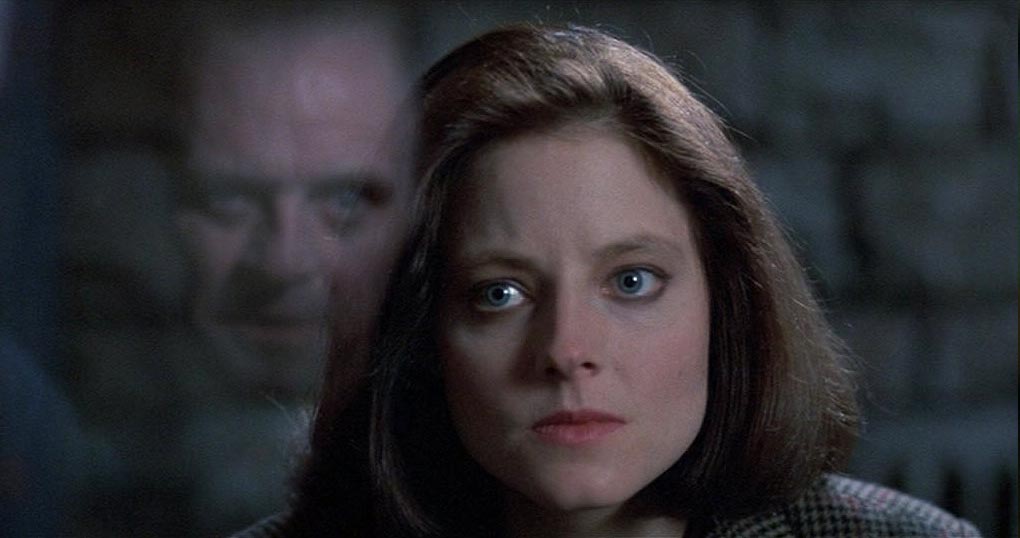
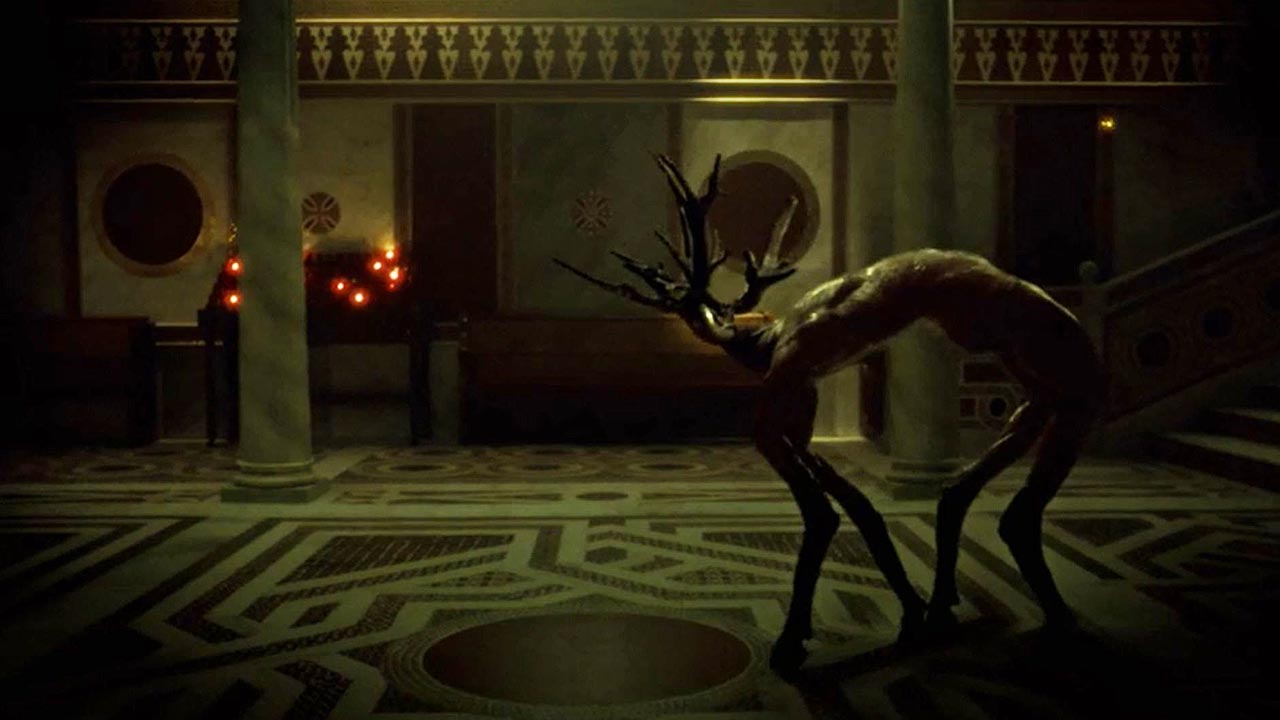
Since 34 episodes (and counting) of Hannibal are not enough to sate my bloodlust, I've been indulging in other pop culture iterations of the Hanniverse. Besides spending an inordinate amount of time on Archive Of Our Own and rereading parts of Thomas Harris's original novels, I've also revisited Manhunter as well as The Silence Of The Lambs.
In 1991, director Jonathan Demme wasn't considered a horror film director. Neither the screenwriter (Ted Tally) nor the cinematographer (Tak Fujimoto) were known for their horror bona fides, either.
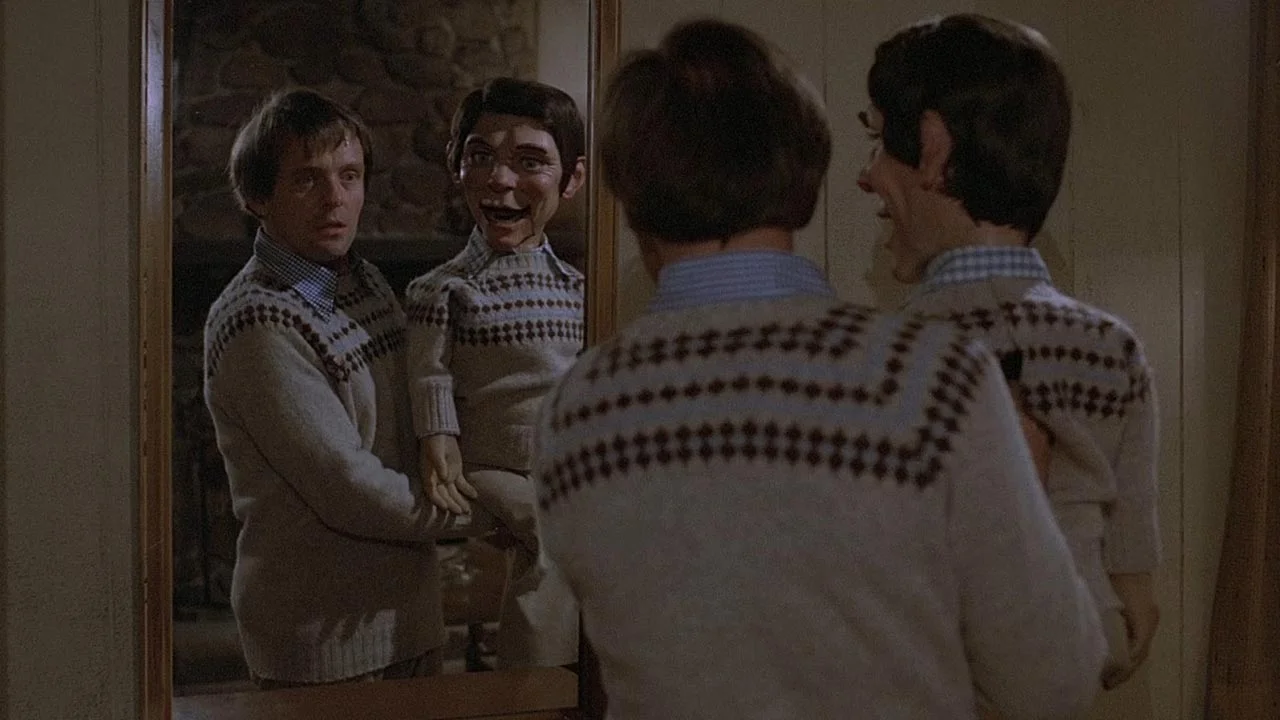
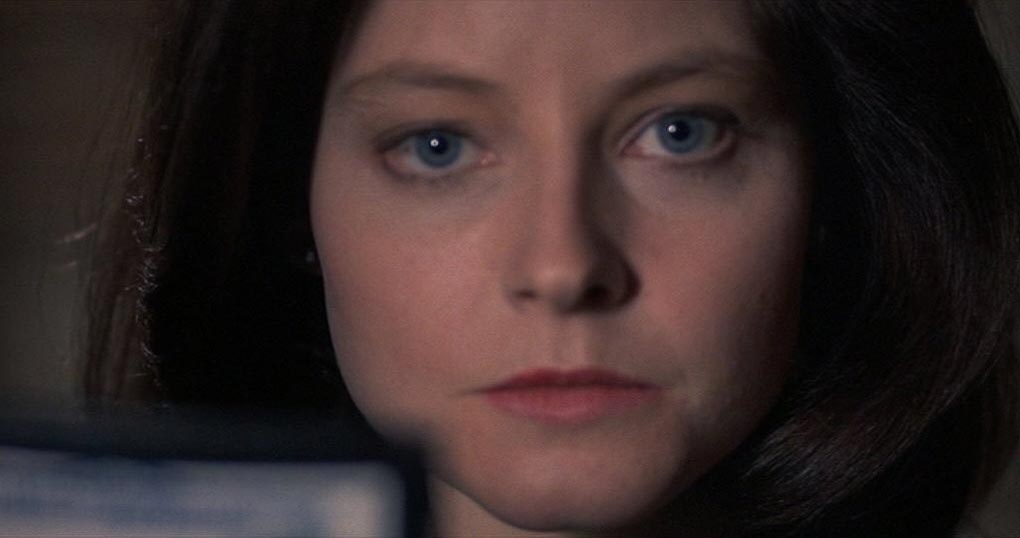
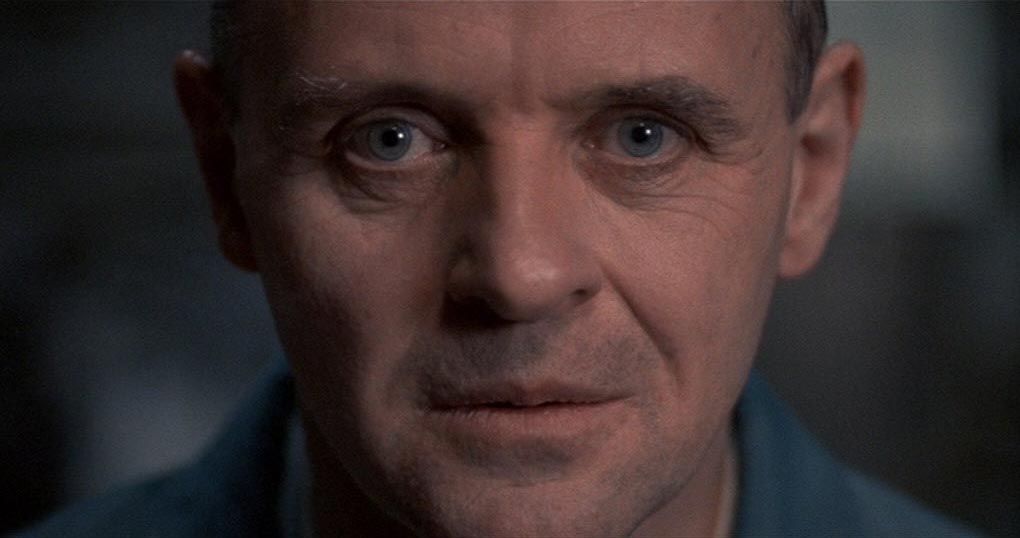
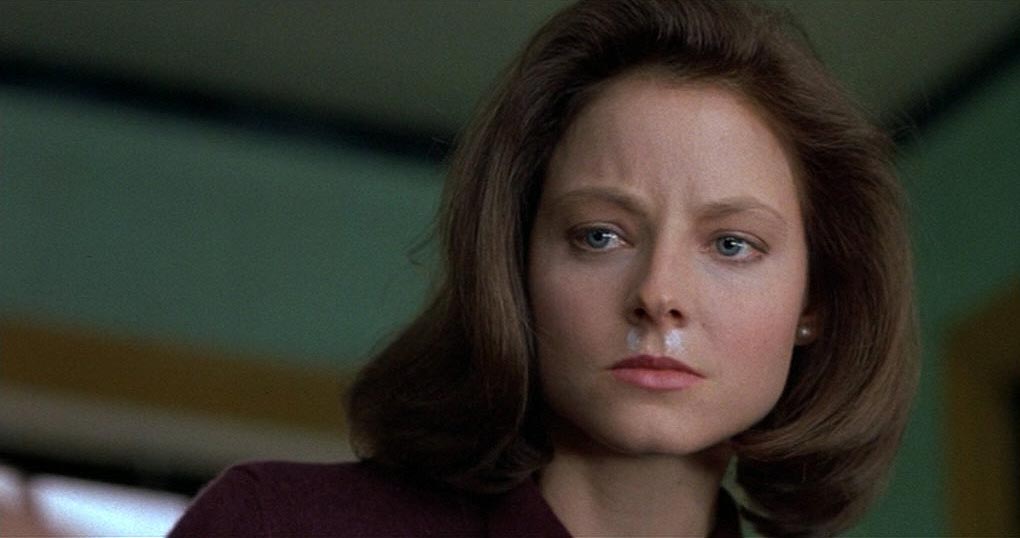
Jodie Foster's passion for the role seemed to place her as the ideal cinematic version of Clarice Starling, though she was not considered a horror movie actress. Even though Anthony Hopkins was chosen because of his work in The Elephant Man, anyone who saw his role in Magic knew that he could play creepy as well as, if not better, than anyone.
On IMDB, The Silence Of The Lambs is listed as "Drama, Mystery, Thriller" and while it does contain elements of all three, it's considered a horror film by many. Still, it may have been the other categorizations that allowed it to dominate the Academy Awards, with wins for Best Picture, Director, Actor, Actress, and Adapted Screenplay.
In the ensuing years, we've seen so many ludicrous spoofs of Hopkins as Lecter, that his portrayal of Hannibal the Cannibal has lost a lot of its luster. Like a lot of things in pop culture, people remember the imitators, not the originators, and judge the latter by the quality of the former, an unfortunate mistake.
When I saw Silence in theaters in 1991, admittedly, I was a horror newbie, but I found it terrifying. I wondered if it would still hold up after so many years and seeing so many more horror films. The answer is yes.
Composer Howard Shore, although he might be more familiar to younger viewers for his work on The Lord of the Rings films, had a history of scoring horror films: by 1991, he'd already worked on five David Cronenberg films. Part of what makes Silence work as a horror film is the score. It's suspenseful and emotional without being maudlin or clichéd.
Unlike Manhunter - the novel and the film - by Silence, we have already been introduced, albeit briefly, to Hannibal Lecter, so we think we know what to expect. Here we meet Clarice Starling for the first time and Demme wisely piggybacks off of Harris's already well-written character by allowing us to truly see things through Clarice's eyes.
It's Foster's steely yet sympathetic portrayal of Clarice that allows Hopkins's Lecter to be that much more menacing and the film as a whole to be utterly frightening. The F word itself is never used, but there are several allusions made to Starling's feminism: she reminds Dr. Chilton that UVA isn't a charm school and calls Jack Crawford out on his "Clarice, the men are talking" speech at the West Virginia morgue, in addition to brushing off Lecter's pointed sexual questions with a "That doesn't interest me and, frankly, it's the sort of thing that Miggs would say."