When The Abyss Looks Back: Contemplating “The Void”
If ever there was a film that exemplifies what Everything Is Scary is about, it would be The Void.
Read More
If ever there was a film that exemplifies what Everything Is Scary is about, it would be The Void.
Read More
Well-crafted characters make the scary situations on Fox's The Exorcist that much more frightening and compelling.
Read More
Perhaps the best way to explain why some movies are scary is to look closely at one that isn't scary at all.
Read More
Dispensing horror movie tropes for something more subtle and spooky, They Look Like People pushes the boundaries of the genre.
Read More
Mario Bava's 1964 film Blood and Black Lace sets the tone for the Gialli of the 1970s and beyond.
Read More
The Neon Demon, on the surface, seems to be about a lot of things, but it portrays a world of very real horror.
Read More
Come for Hugh Dancy being creepy; stay on The Path for Hugh Dancy being even creepier.
Read More
Friday The 13th is a genre classic, but the first sequel is way better and here are ten reasons why.
Read More
In the 1976 horror film The Premonition, women's struggles are the main focus.
Read More
Between vampires on Penny Dreadful and venereal disease on The Knick, it's a tough call to decide which is worse.
Read MoreWith Game of Thrones Season 6 just around the corner, and with hype engines set to full ludicrous speed, I felt that a look at the show's chief antagonists and their bowel-loosening terror was appropriate.
Not the Lannisters.
Not the Freys.
Not the Boltons.
No, the true enemy of all Westeros (and possibly parts beyond) finally reared its ugly head in full-fledged fashion towards the tail end of Season 5, and boy was it a doozy. All hail The White Walkers!
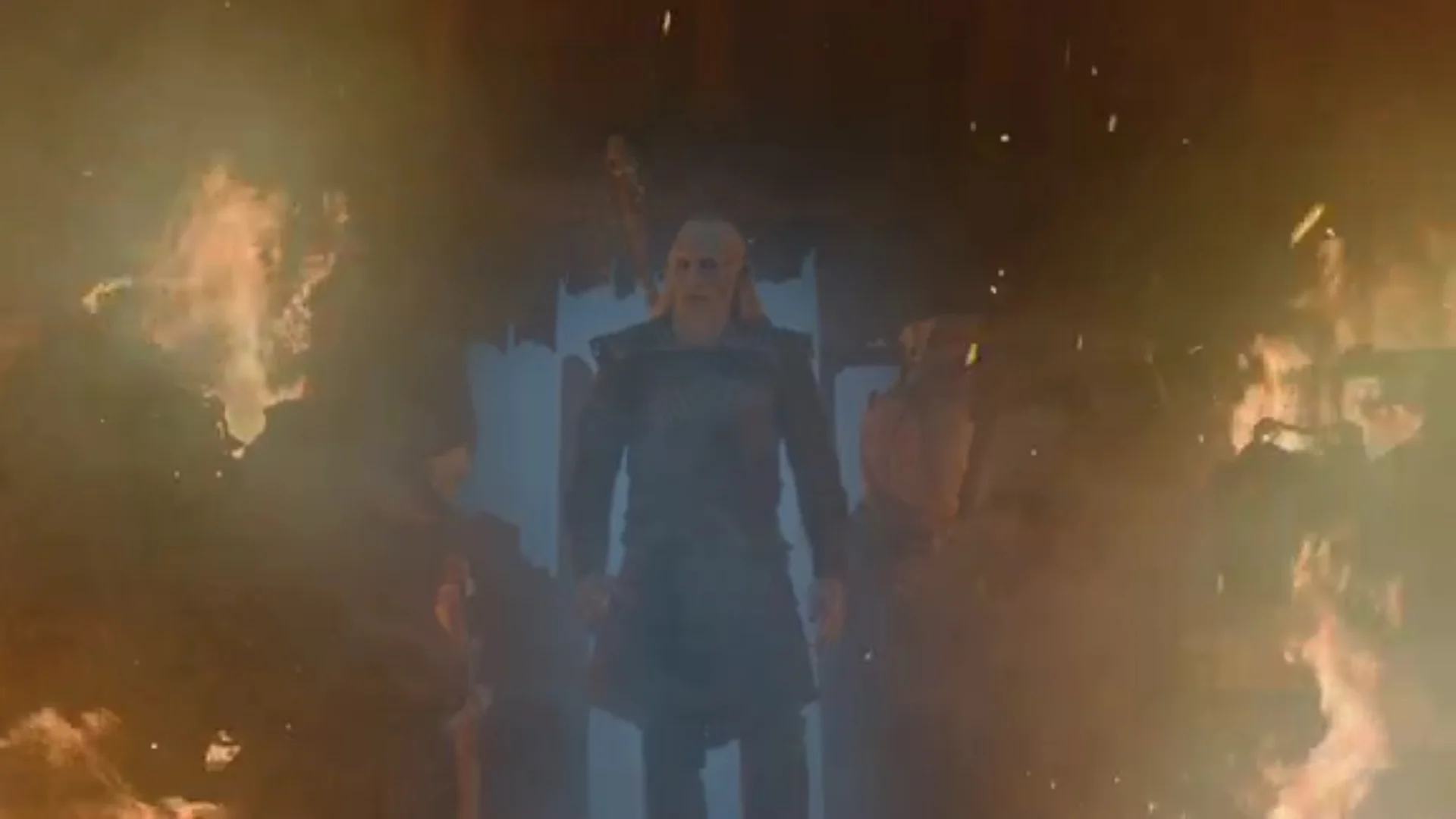
Hardhome is deservedly one of the most critically-acclaimed and highest-rated episodes in the series. It features some marvellous character work positioning key players into some exciting places: Arya is poised to become a super-assassin, Cersei is informed by Qyburn that "the work continues," and Sansa discovers from Theon/Reek that her younger brothers are still alive. Perhaps most thrillingly, the meeting that every book reader had been waiting for finally happened, with Tyrion putting himself at Daenerys' mercy. All of this would have been thrilling enough, but then the action shifted to Jon Snow and Tormund trekking to the titular Hardhome. It seemed, at first, as though this would be a mere shift forward in Jon Snow's story, as he brings home a fair chunk of Wildlings, while the majority stay. But one sharp left turn portended by barking dogs later, and we got a stunning action set piece that dwarfed the thrill and drama of Blackwater and The Watchers on the Wall.
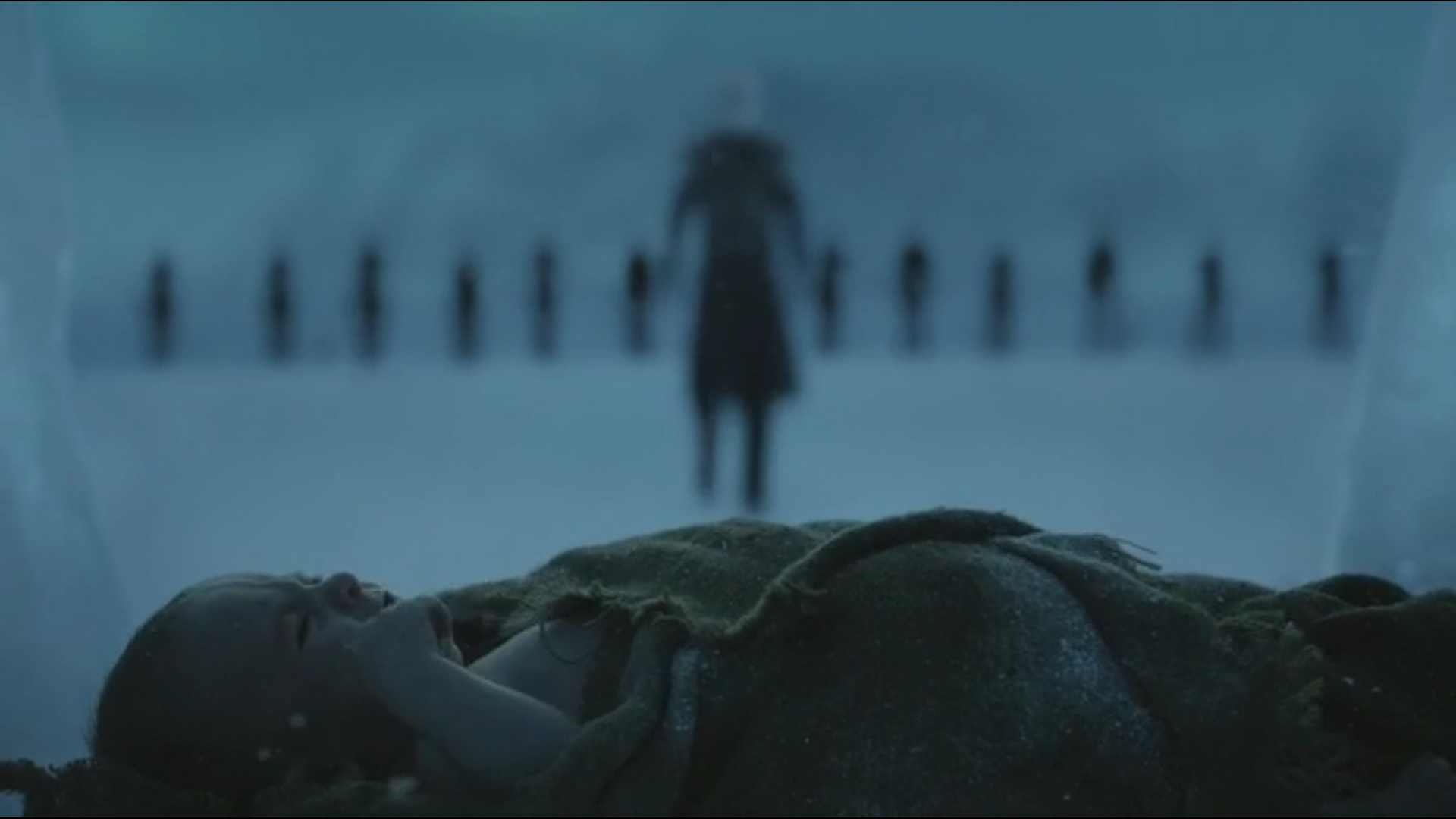
Even more crucially, what Hardhome did was re-focus the series' narrative into a razor point. The politicking and backstabbery is coming to an end. Fans have lamented that there are very few (if any) "good" people left to root for, and there's a reason for that. As the high lords' battle for control racks up the body count, we can sense the end is near for the crown of the Seven Kingdoms. So the story must turn its attention to the real war: the coming army of the dead. We've had dollops of the White Walkers throughout the series. They've dropped in roughly once a season to remind us that they exist, and that they are coming. These appearances, however, have been more ominous and atmospheric in flavour. The Battle of the Fist of the First Men (or the Fight at the Fist) wasn't even shown in the TV series; only the aftermath was shown. Samwell Tarly caught a glimpse of the army of the dead, but we hadn't seen them in action, aside from the occasional wight.
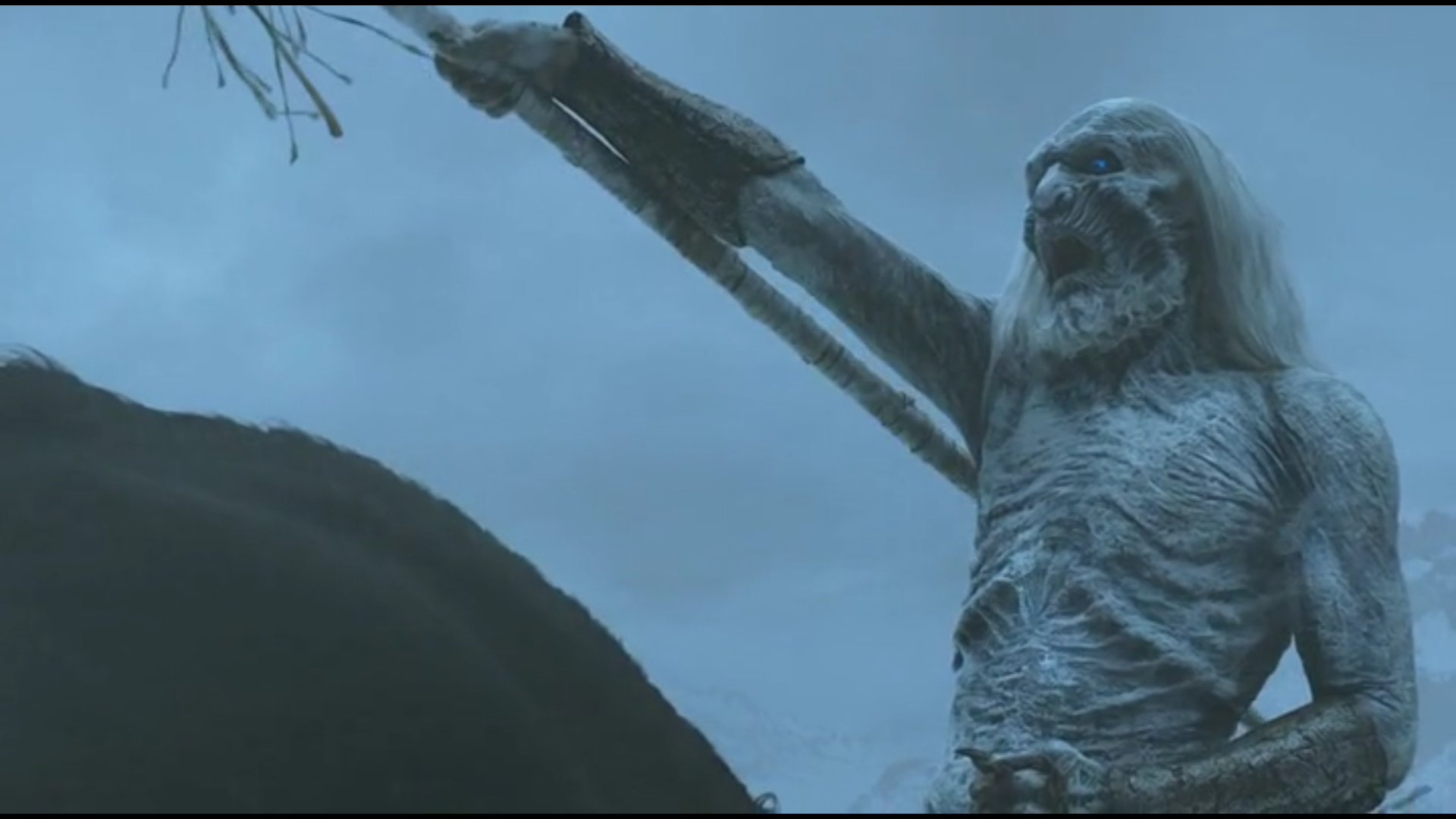
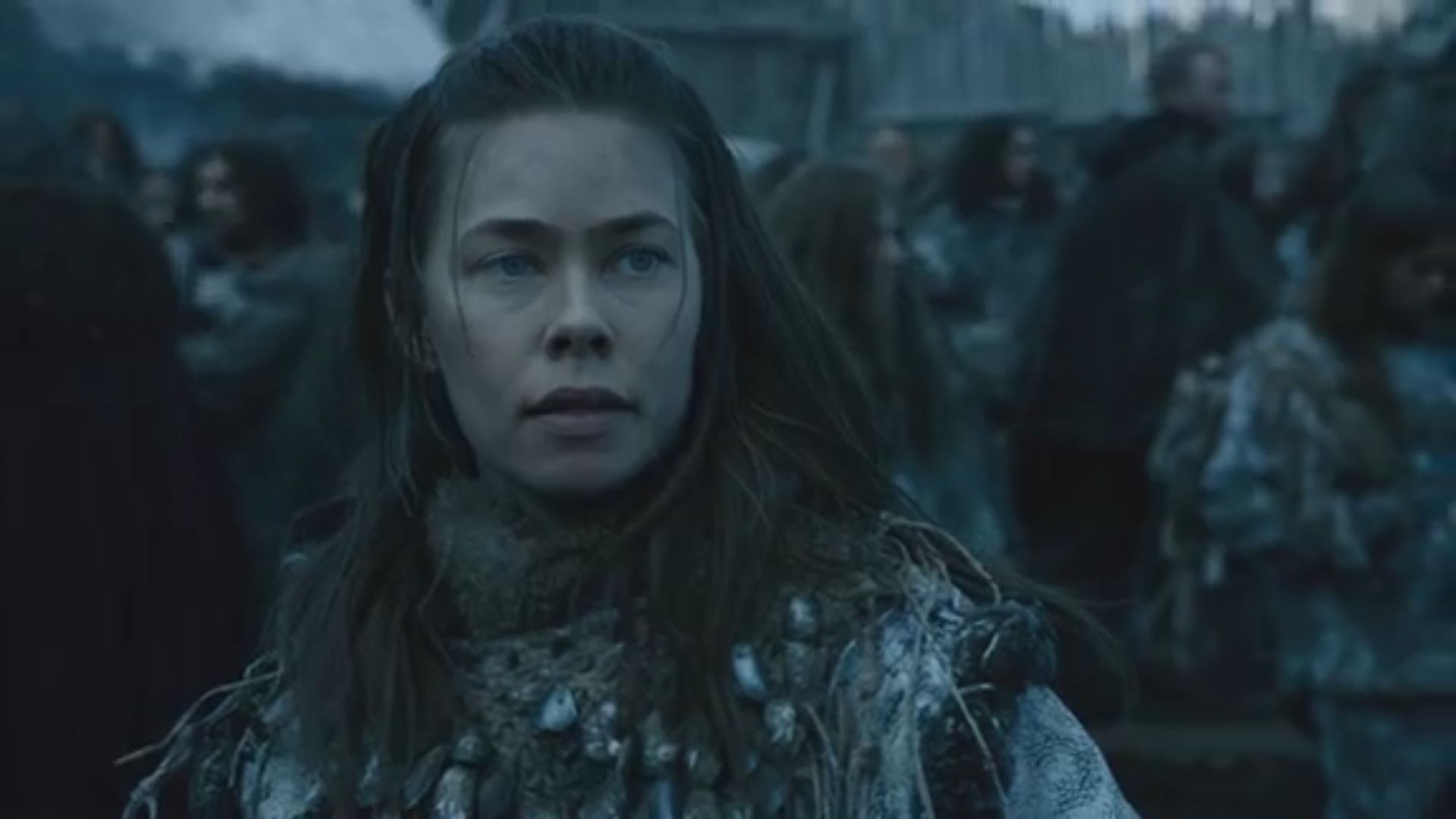
They were definitely creepy, well-designed and unsettling, but they weren't precisely threatening. They didn't kill any named characters (with the exception of the Wights' unexpected takedown of book-alive Jojen Reed; but no White Walkers were present at that brief engagement), they didn't seem terribly urgent, and Sam destroys one with relative ease. In Hardhome, however, we see the full force of the army of the dead for the first time. What's crucial to this reveal is the incredibly well-paced writing and development of two one-off characters. Most critical attention has focussed on Karsi, the female Wildling leader, but equally important is the introduction and subsequent elimination of the Thenn leader, Loboda.
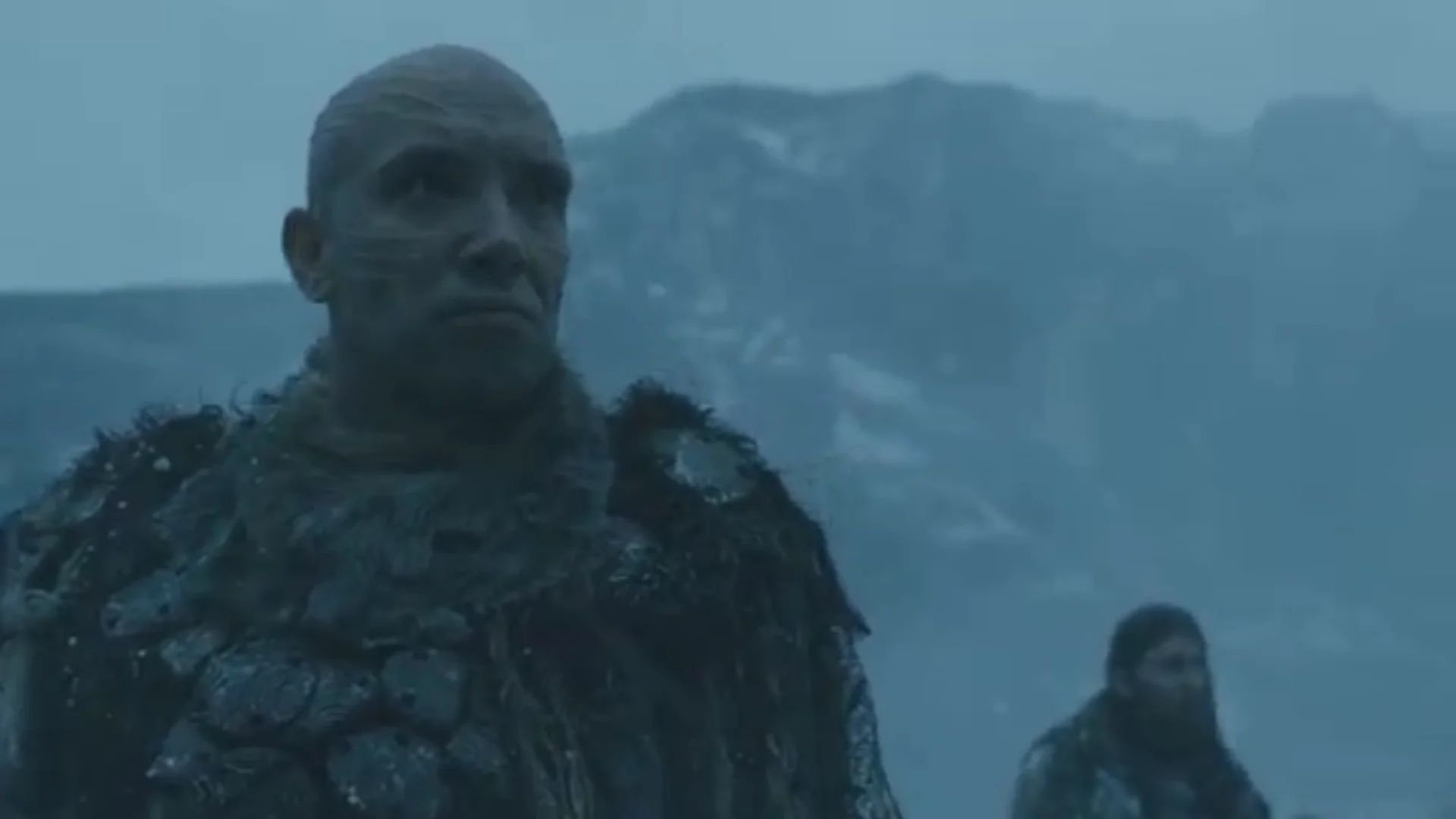
From a meta-narrative perspective, we would look at these characters as possible additions to fill gaps in Jon Snow's story. Having eliminated the previous Thenn antagonist, Styr, the dialogue seems to suggest we're being given a new thorn (no pun intended, Ser Alliser) in Jon's side. Karsi, on the other hand, seems like a fully fleshed-out ally with motivations and a history with Tormund. The audience could easily be forgiven for being lulled into a false sense of security that one or both of these characters would become a series' regular. So when both of them fall in the White Walker attack, the effect is truly shocking. And also unifying.
It's a very subtle through-line, but by introducing and eliminating an ally and an enemy all in one go, Hardhome demonstrates that in the face of a truly terrifying, unknown force, the petty differences of men matter little. All the backstabbery and grudges in the world won't make an ounce of difference to a foe that doesn't play by any of the usual rules. We've HEARD this sentiment before, from Jon Snow and from others, but to SEE it in action is what makes all the difference. These are aliens who will slaughter every nation, no matter your allegiance. Indeed, the unifying terror of the White Walkers is that they simply don't obey the standard rules that have been established. Every other "monster" in the Game of Thrones universe, from Walder Frey to Ramsay Snow, has a motivation. Ramsay wants to please his father, and be a real Bolton. Walder Frey wants to own the Riverlands. But the White Walkers? We really have no idea what they want. All we know is that they turn life to death, relentlessly, mechanically, remorselessly.
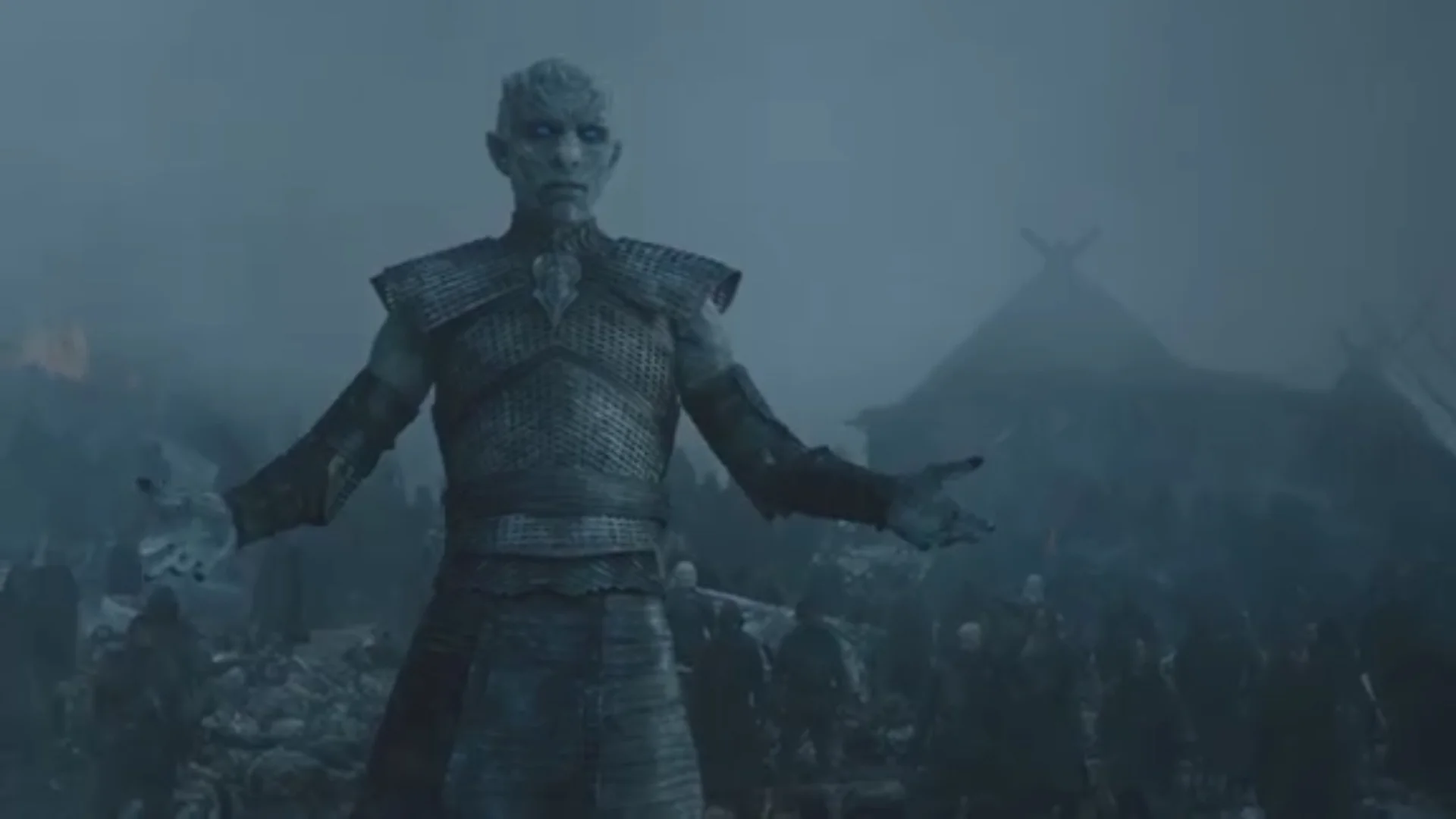
The internet's meme-reaction to the image of the Night's King, standing on the beach, arms spread, is especially telling. "Come at me, Snow" read many captions, in a play on the macho bravado of simple-minded men. The attempt to assign any human emotion to the actions of the White Walker leader (dubbed "The Night's King" by a script leak) is, in a way, the perfect microcosm of the series. In truth, what he/she/it is doing is beyond human understanding. He isn't taunting Jon Snow. He's merely adding the fallen to his ranks. Having accomplished that, he lets his arms fall to his side, and stares after the retreating Night's Watch. There is no glee in his crushing victory, no taunt. It simply...is.
There's a reason that the White Walkers are referred to simply as "Others" in the books (a term that probably wouldn't have translated very well to an audio/visual medium). They are outside of the realms of men. They are the other given form, the stuff of nightmares.
And honestly? I can't wait to see what they do next.
Demdike Stare's collages of sound and imagery provoke responses akin to nightmares.
Read More
The titular beast in the film Sleeping Giant reveals itself in subtle and frightening ways.
Read More
Intruders: what happens when a mental health issue is used as a device to entice viewers into watching a movie about a totally different kind of pathology.
Read MoreThe woman said, “The serpent deceived me, and I ate.”
Read More
Baskin is a stunning shock to the system for horror fans. Miss it at your peril.
Read More
When it comes to Man vs. Beast movies, sometimes it's best to leave well enough alone.
Read More
The ending to The Witch is victorious and liberating.
Read More
The dream of the '90s is alive in The X-Files. Or is it?
Read More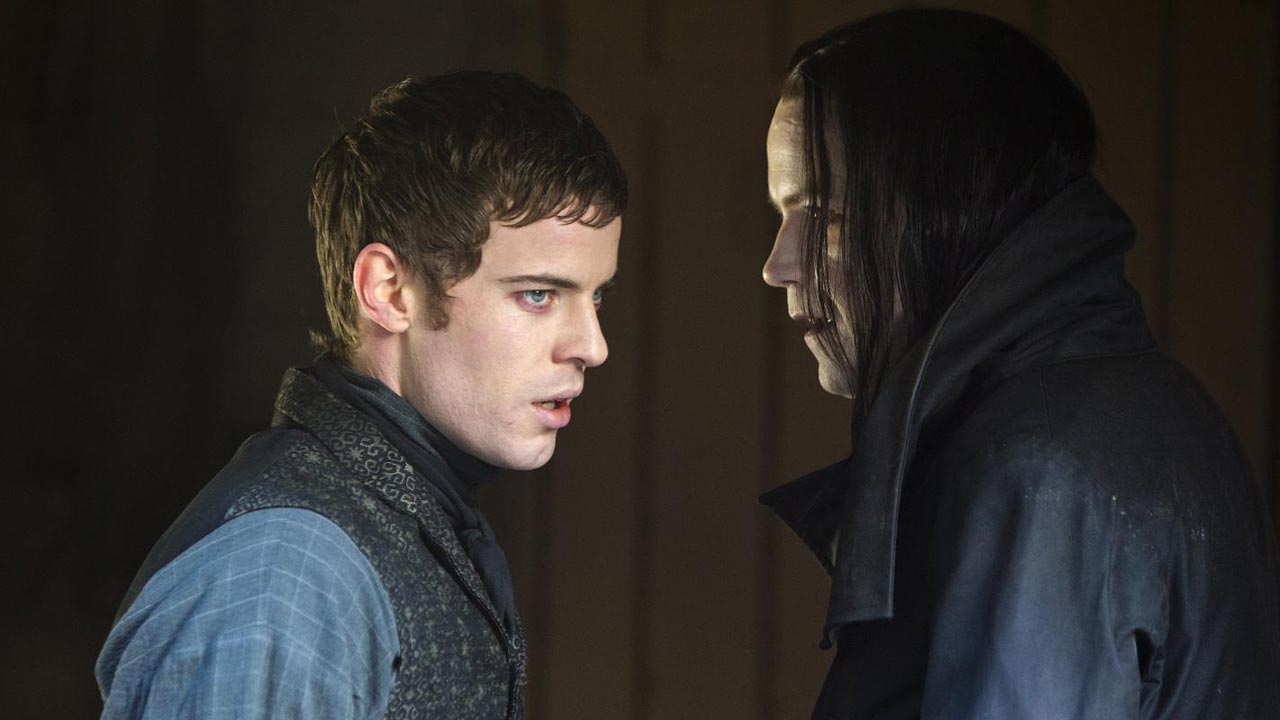
What makes a man into a monster?
Read More